

Imagine a morning when you are not rushing, but catching your breath. Coffee tastes different because there is the sea outside your window, and you have one thing on your agenda: recovery. That is what slow life and wellbeing are about—not luxury once a year, but wise, regular pauses.
Did you know it is worth not limiting yourself to one trip a year? A better model is more often, for shorter periods: a long weekend, 2–3 nights during the season, or a one-day reset in the wellness area. This approach fits New Year’s resolutions perfectly. You can think about health, nutrition and fitness all year round, but if you need a symbolic fresh start, the beginning of the year is the perfect excuse to finally begin.
Imagine this. It’s Monday, 8:12. Your calendar looks like a game of Tetris, your phone has already vibrated several times, and you catch yourself breathing more shallowly and quickly, as if the day were about to overtake you. In moments like these, work-life balance sounds like a catchy phrase from a presentation, not a real plan.
And this is where a point increasingly heard in conversations about wellbeing comes in: don’t wait for one big holiday. Instead, take shorter, more frequent breaks. Two nights. A long weekend. One day at a SPA. The idea is for your body and mind to regularly receive the signal: you can return to yourself.
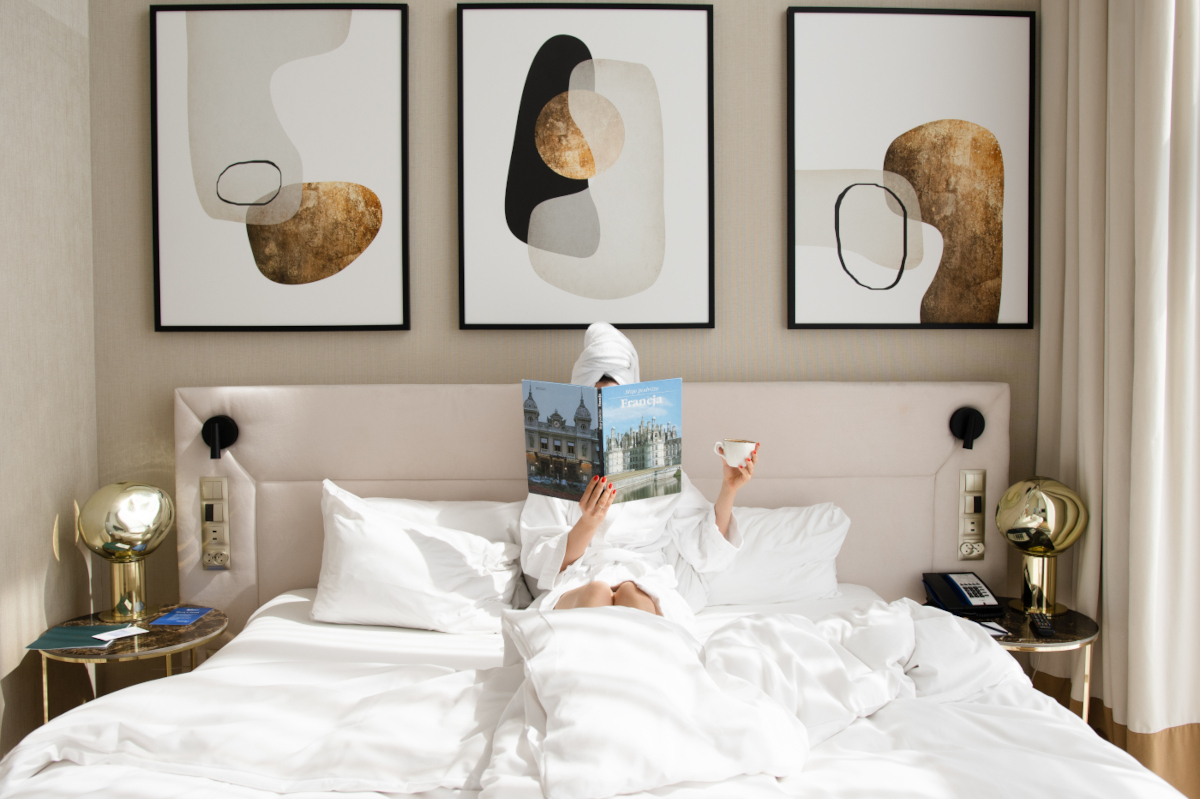
Wellbeing: what exactly is it?
Wellbeing is often confused with luxury. In fact, it is more like everyday life hygiene. In practice, it has two pillars:
Physical wellbeing: movement, recovery, breathwork, sleep, immunity and prevention.
Mental wellbeing: reducing tension, calming the nervous system, better concentration, a sense of agency and lightness.
The most important thing is that these pillars are connected. The body and mind do not function separately. If the body is stressed, the mind cannot rest. If the mind is overloaded, the body does not fully recover.
Work-life balance vs work-life blending: new rules of the game
Until recently, we talked about work-life balance, meaning equilibrium between work and life. Today, you increasingly hear about work-life blending, meaning the interweaving of professional and private life. In other words, the blurring of the boundary between work and private life.
This does not have to be bad, but it comes with one condition: blending requires the ability to switch modes. Without it, it is easy to end up constantly at work. This is where short trips work like a reset button. They help you return to yourself sooner, before fatigue grows to a level that is hard to ignore.
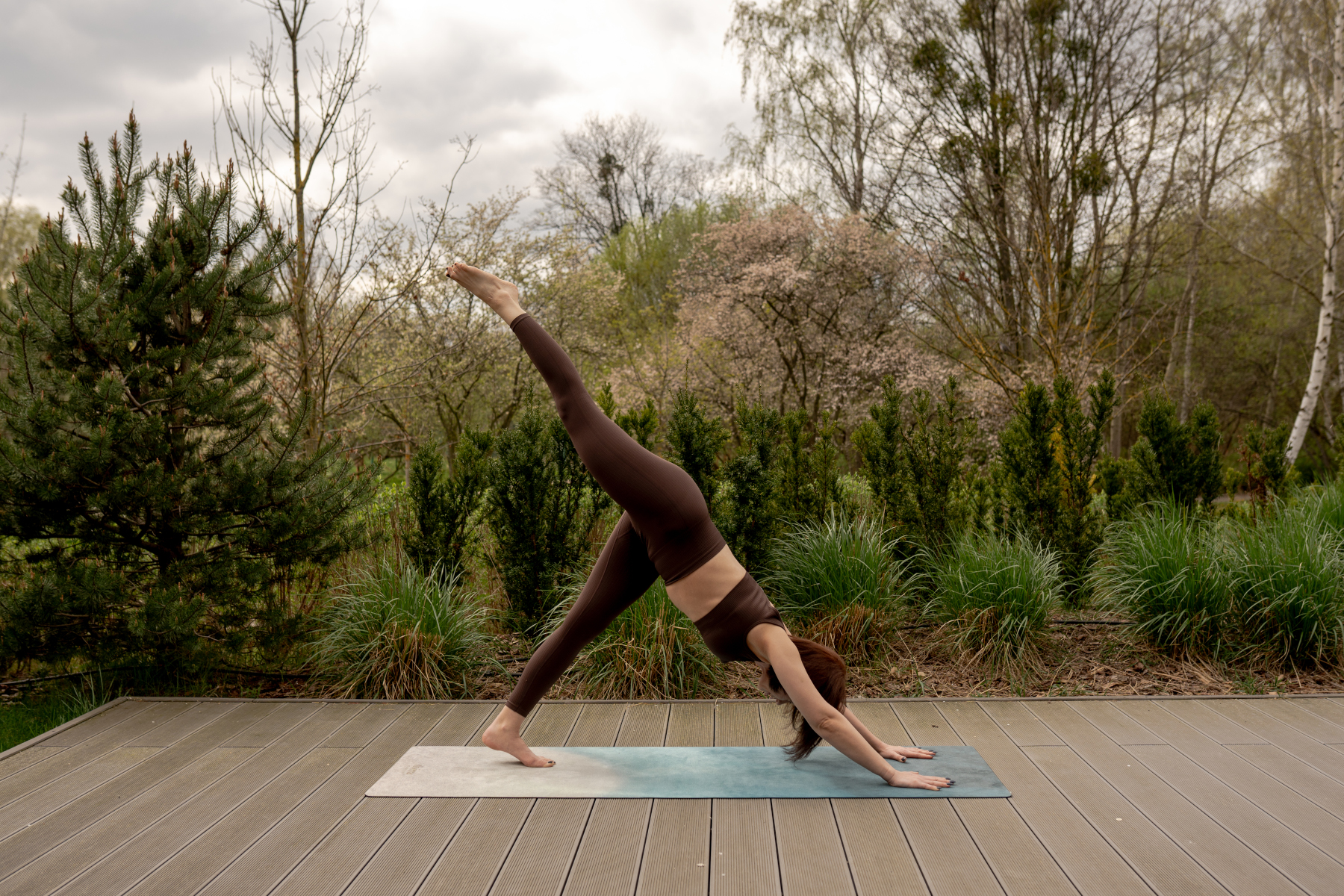
Winter by the sea: slow life, breathing and smart recovery
There are places where rest comes more naturally. Something special happens by the sea in winter: there are fewer stimuli and more space. The beach does not demand attractions. It simply is. And it invites you to slow down.
Coastal climate factors are an excellent aid to this kind of recovery. That is one reason why a winter walk along the sea clears your head so well. You breathe more deeply, your pace becomes steady, and your thoughts no longer have to run. In autumn and winter, the concentration of health-promoting iodine in sea air is at its highest.
Sea air acts as a gentle, natural inhalation, improving breathing comfort and supporting the respiratory system. Of course, it is worth noting that marine aerosol cannot replace iodine in our diet. Dietary sources include fish, dairy products, eggs and iodised salt.
Sopot became a health resort partly thanks to its marine climate, which has been used therapeutically for over 200 years. Today, it is one of the oldest climatic resorts on the Baltic coast and has held health-resort status for over 120 years. You can read more about Sopot’s history as a health resort in other texts on our blog.
What a quick break can look like
On Friday after work, you pack one bag. No plan to see everything. You arrive in Sopot, and the air is cool and clear. At the hotel, everything is simple: you put down your things, take a deeper breath and go to the sea for a while. You do not have to prove anything. The walk is an end in itself.
In the evening, you enter the wellness area. The warmth of the sauna does what office-chair massages cannot: it releases tension without negotiation. Then a few quiet minutes in the relaxation area. Suddenly, you notice that your thoughts stop shouting. In the morning, instead of “I have to”, “I want to” appears. Fitness is not a punishment. It is a gift to your body. A short, calm workout, without pressure. Then a superb breakfast, which tastes different because you can calmly focus on experiencing the moment. Our fully equipped gym is open 24 hours a day, 7 days a week, so you can easily fit your workout around your plans. Check the schedule for classes including body gym, Pilates, stretching, aqua aerobics and various types of yoga in the class calendar.
This is not a great revolution. It is a small, repeatable decision: to regularly return to yourself.
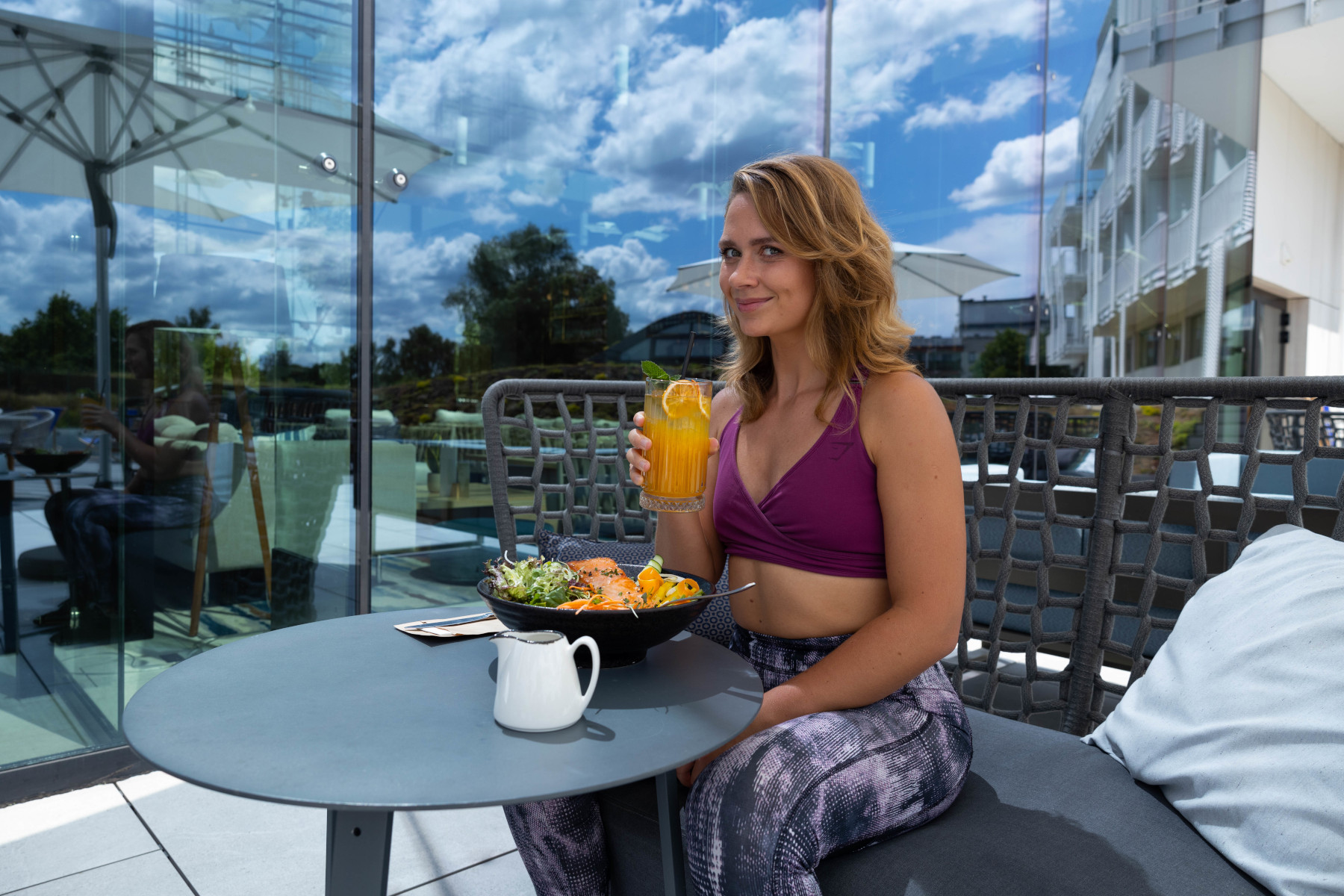
Thera Wellness at Radisson Blu Hotel, Sopot: body and mind in one place
Here, wellbeing is designed as a complete experience. Thera Wellness includes pools, a sauna area and treatment facilities, with an approach focused on balance between body and mind.
There is also one specific point worth highlighting: at the Spa & Wellness Awards 2025, Thera Wellness at Radisson Blu Hotel, Sopot was among the winners in the “Hotel Fitness Area” category and won the “Spa & Wellness Area in a Chain Hotel in a Resort Town” category.
This matters because wellbeing is not just “relaxation”. It is also the quality of the facilities, consistency in the offering and whether you can take care of your fitness without pressure.
Sauna, cold-water immersion, contrast: stimuli that bring the system into balance
If you enjoy recovery that works like a “mode switch”, it is worth considering formats based on contrast and breathing.
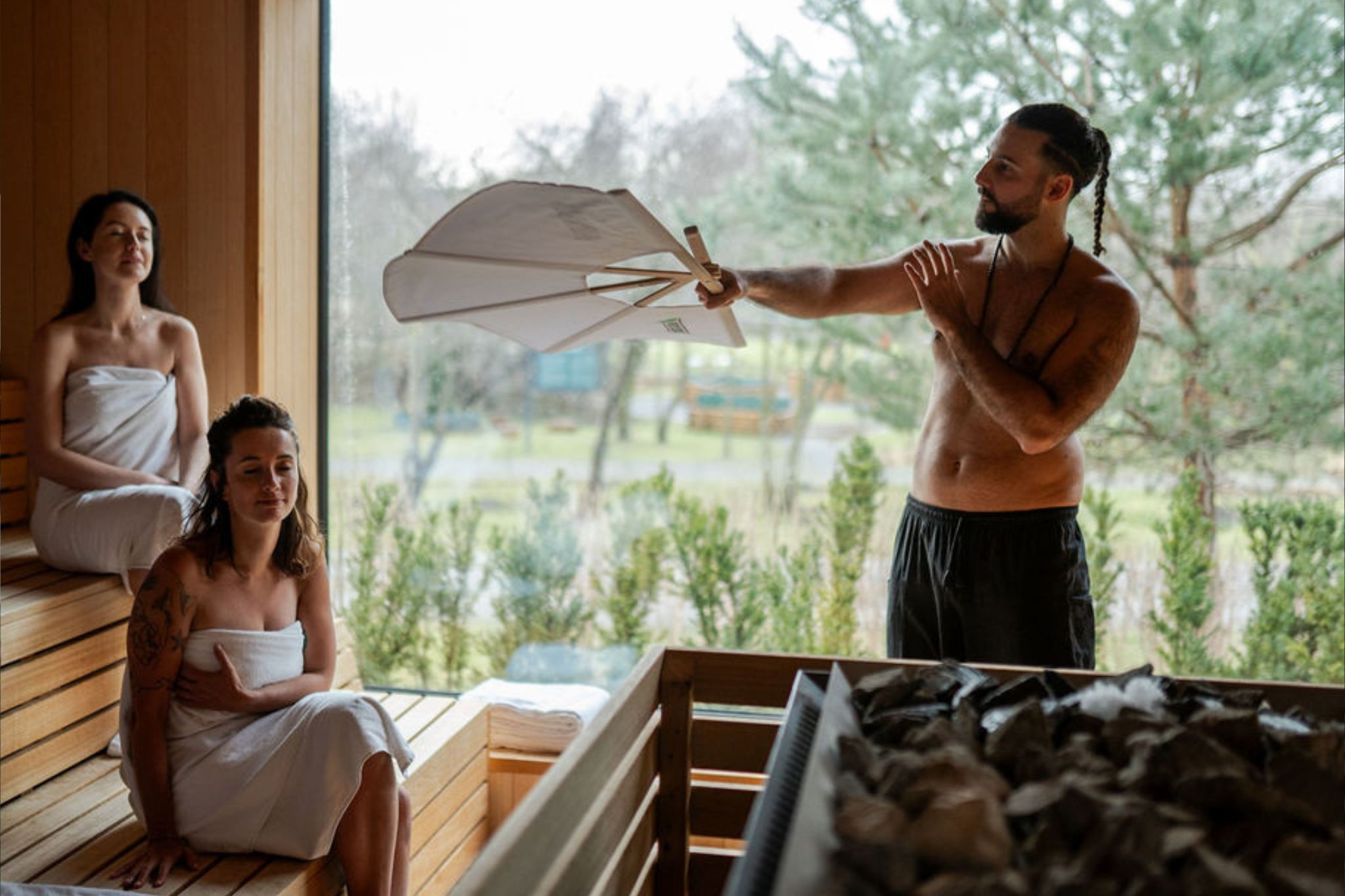
Contrast therapy (heat, ice, breath) combines temperature exposure, sauna and breathing techniques. The event description highlights the impact of the cold–heat cycle on circulation, recovery and the experience of stress, as well as the role of conscious breathing in regulating tension.
The same applies to sauna nights, where relaxation and breathwork elements accompany the sessions.
Sound relaxation: when the mind needs quiet and the body softness
There are also options for those who recover more “inwardly”: workshops such as Sound Relaxation, combining breathwork, gentle yin yoga and singing bowls. This format helps you slow down, reconnect with your body and relax the nervous system, without forcing yourself.
Events of this kind sell out quickly, but return regularly. It is worth following our offers / vouchers section, where new event dates appear.
How to plan wellbeing in practice: the 2+2+1 model
To ensure wellbeing does not end with inspiration, a simple model works well:
2 nights every 6–8 weeks (or whenever you feel it is “too much”).
2 rituals on site: sauna + walk, fitness + massage, yoga + pool.
1 habit to take home: 5 minutes of breathing before bed, less scrolling, more movement during the day.
This is true slow life: not escaping from life, but returning to it in better shape.
We will leave you with one thought: the best wellbeing is the kind you can repeat. Short breaks are precisely for ensuring you do not wait until rest becomes a necessity.