

Walking by the sea, it is easy to be charmed by nature — swans glide across the water, seagulls soar above the waves and ducks come close to shore. Many of us reach for bread to feed them. Although well-intentioned, this can seriously harm animals. At Radisson Blu Sopot, we believe caring for nature starts with small, conscious decisions made every day.
Why bread harms birds
Empty calories and health problems
Bread is fast food for wild birds: filling but not nutritious. It lacks the protein, fats and micronutrients essential for growth, flight and thermoregulation. Birds fed bread become weaker, fall ill more often and their young fail to develop properly. Bread scraps also pollute water and encourage bacteria and mould, harming the entire ecosystem.
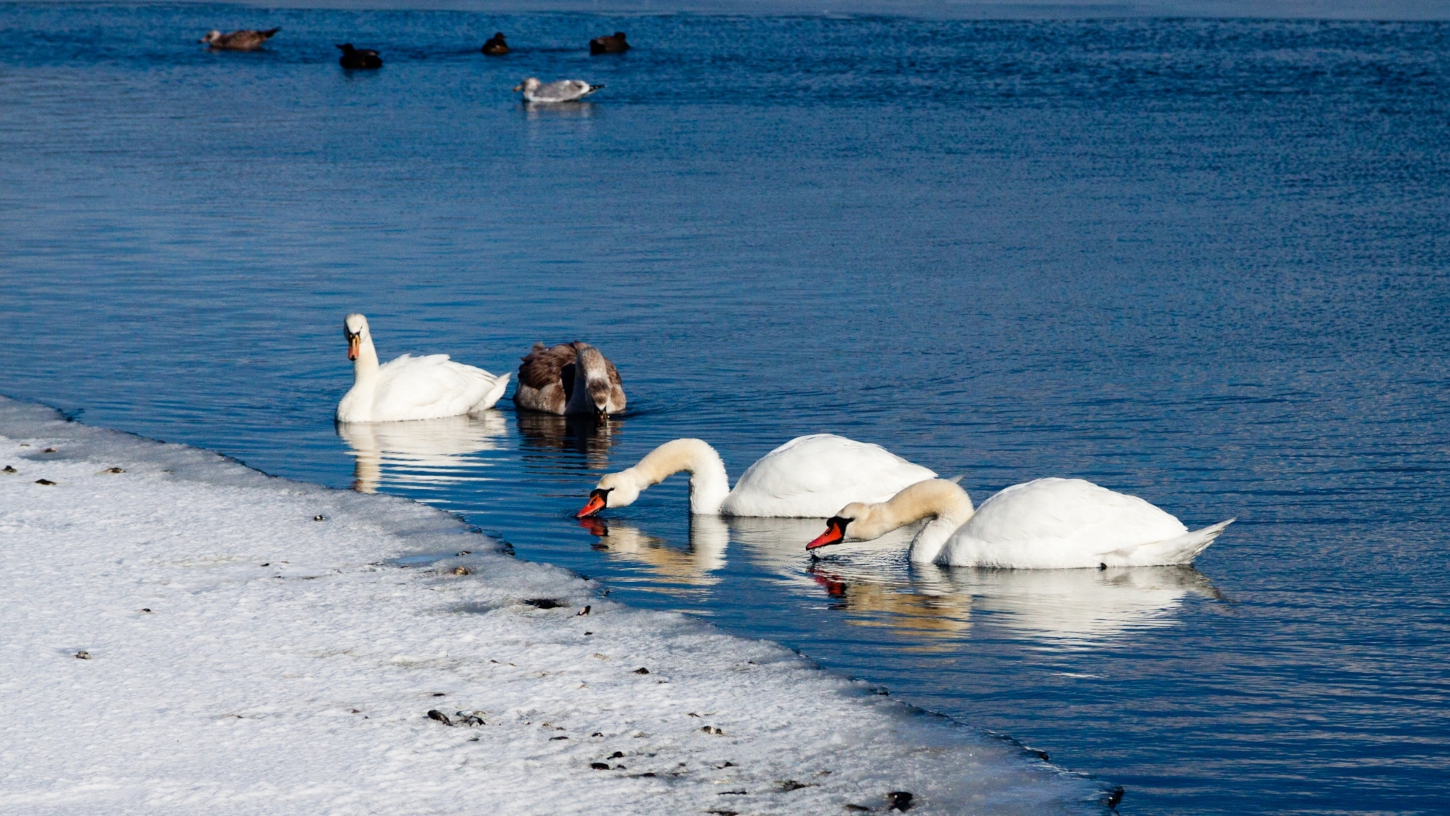
photo: Canva
Animals do not need seasoning or flavour enhancers
Young children believe that what they like tastes good to everyone. As they grow older, we should realise that different species may prefer different foods, but above all have different nutritional needs and digestive systems.
Let us not act like small children. When we meet, for example, a cat or hedgehog on a trip, we should not share sandwich meat or sausage with it. When we eat crisps or another snack outdoors, a flying companion may appear and ask to join our meal. The desire to share is natural. Feeding a poor, hungry animal may make us feel helpful, but the opposite may be true, and our “help” may only cause harm. Animals are not evolutionarily adapted to processed, seasoned food.

photo: M. Bellwon
Feeding birds bread is not eco-friendly and does not fit the “zero waste” idea
Another reason some people share their meal, for example with birds, is to avoid wasting food. Whether we dislike throwing bread away or want to live by the zero-waste principle, feeding birds unwanted bread is not a good solution. Bread has no nutritional value for birds, and old, mouldy bread can make them ill. If we have a garden, we can safely compost food scraps, including bread. If not, or if we cannot compost at home, we can put them in a bio-waste bin without guilt. They are collected separately so they can be composted and later used, for example, as flower fertiliser. Nothing is wasted completely.
If we hate wasting bread, there are other solutions. Next time, we could buy less, use leftovers for toast or croutons in soup the next day, dry and grate them into breadcrumbs, or freeze them for later. There are many ways to use surplus bread; everyone can add their own ideas, but feeding birds is certainly not one of them.
The same applies to dishes and semi-prepared foods such as cooked pasta or rice. If they are still fresh enough for people to eat, share them with others, for example by placing them in a community fridge if possible, freeze them for later or use them in another dish. If they have become too old for us to eat, do not give them to animals. Put them in a composter or bio-waste bin, where organisms smaller than birds—bacteria, fungi and earthworms—can feed on them.
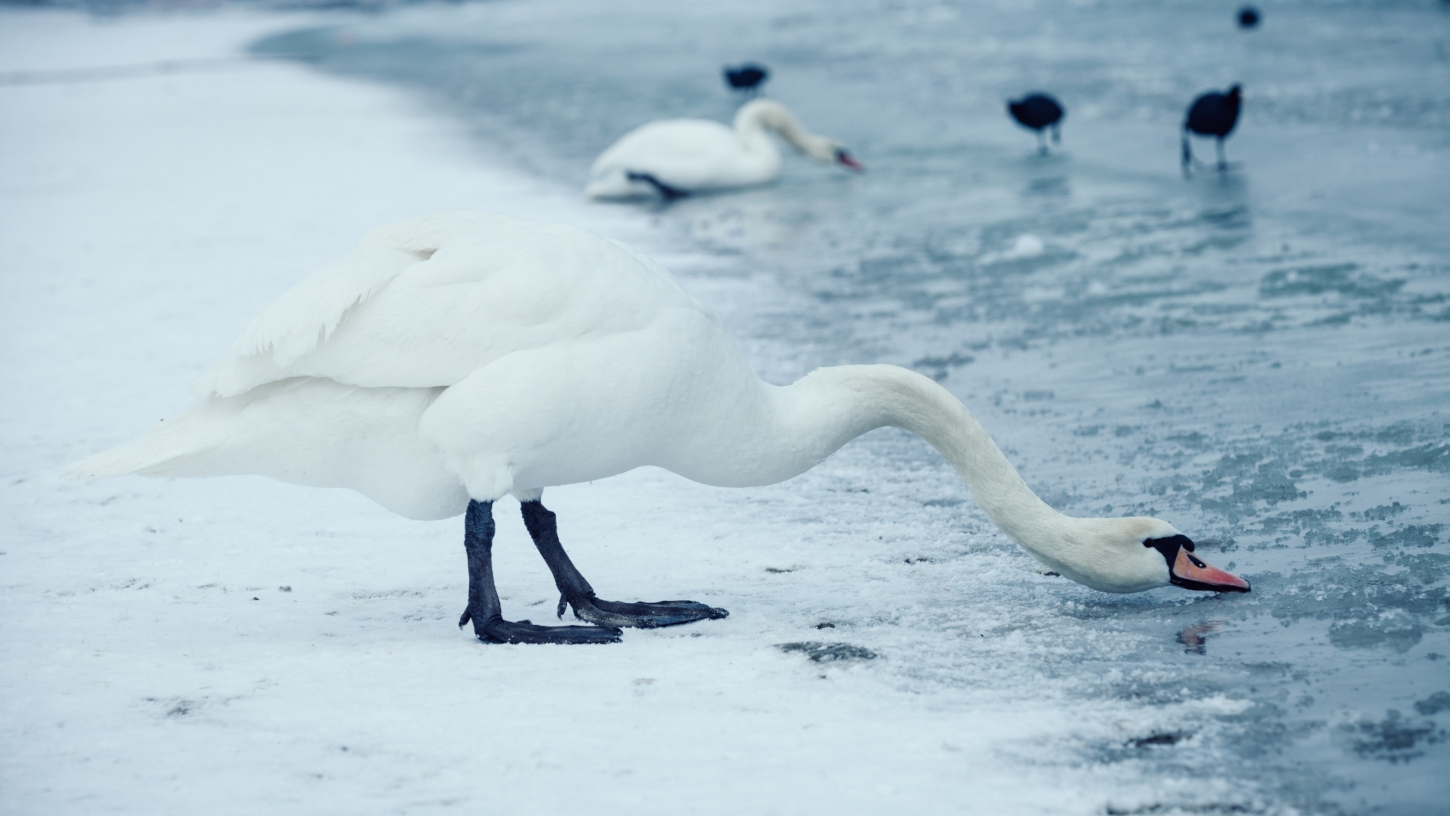
photo: Canva
How and when to feed birds?
If we want to feed birds, let us remember the basic rules. Feed them only in winter, when natural food is scarce, especially when snow and frost make it difficult to access. Start only after migratory birds that winter in warmer countries have gathered to leave. This prevents them from staying because food is guaranteed and feeds only those that have already chosen to remain and may struggle to survive winter. The feeding season may start earlier or later depending on the year’s weather. It is generally marked by the first frosts or snowfall, usually around mid-November. Feeding birds in summer is inappropriate because it weakens their natural instincts. Swans and ducks remain by the sea in winter instead of flying to warmer regions. This increases the risk of chilling, hunger and disease and, consequently, weakens entire populations.
Once we decide to feed birds, it is best to do so regularly until spring arrives. Birds quickly get used to places where they find food and may struggle to find another when it stops appearing. Of course, when we are only holidaying by the sea, we cannot take on this responsibility ourselves and can only hope that future visitors will continue it.
What NOT to feed any bird species:
❌ bread (loaves, rolls, rusks, etc.)
❌ crisps, pretzels, chips, etc.
❌ food scraps, especially salted or seasoned
❌ pasta, groats, rice
❌ linseed (birdsmay choke on it).
What can birds be fed?
We will divide the answer into two categories. Some items overlap, but sparrows and swans require slightly different approaches.
What can we feed birds commonly found at window feeders or in gardens (tree sparrows, sparrows, tits, pigeons, nuthatches, woodpeckers, etc.)
- seeds: unshelled sunflower seeds (best!), millet, oats, wheat, buckwheat,
- nuts: hazelnuts, walnuts, cashews – unsalted, unroasted, chopped,
- fats: fat balls without nets (nets are dangerous),
- fruit (for blackbirds and fieldfares): chopped apples, pears, rowan berries, raisins (soaked briefly in water).
- ready-made seed mixes or fat balls, available in shops especially in autumn and winter
What can we feed water birds—ducks and swans found on beaches, by ponds or at the seaside:
✔️ grains and cereals (oats, wheat, corn, sunflower seeds)
✔️ vegetables (chopped Chinese cabbage, romaine lettuce, grated or finely chopped carrot)
✔️ ready-made pelleted feed is also produced for water birds, providing balanced nutrients, but it is unlikely to be available at a local shop; it must be ordered online.
How to feed swans and ducks properly?
Do not throw food into the water. Food thrown into water rots, pollutes it and causes algal blooms.
Give small portions, e.g. a handful of food for several birds. It should only supplement their diet, not replace it.
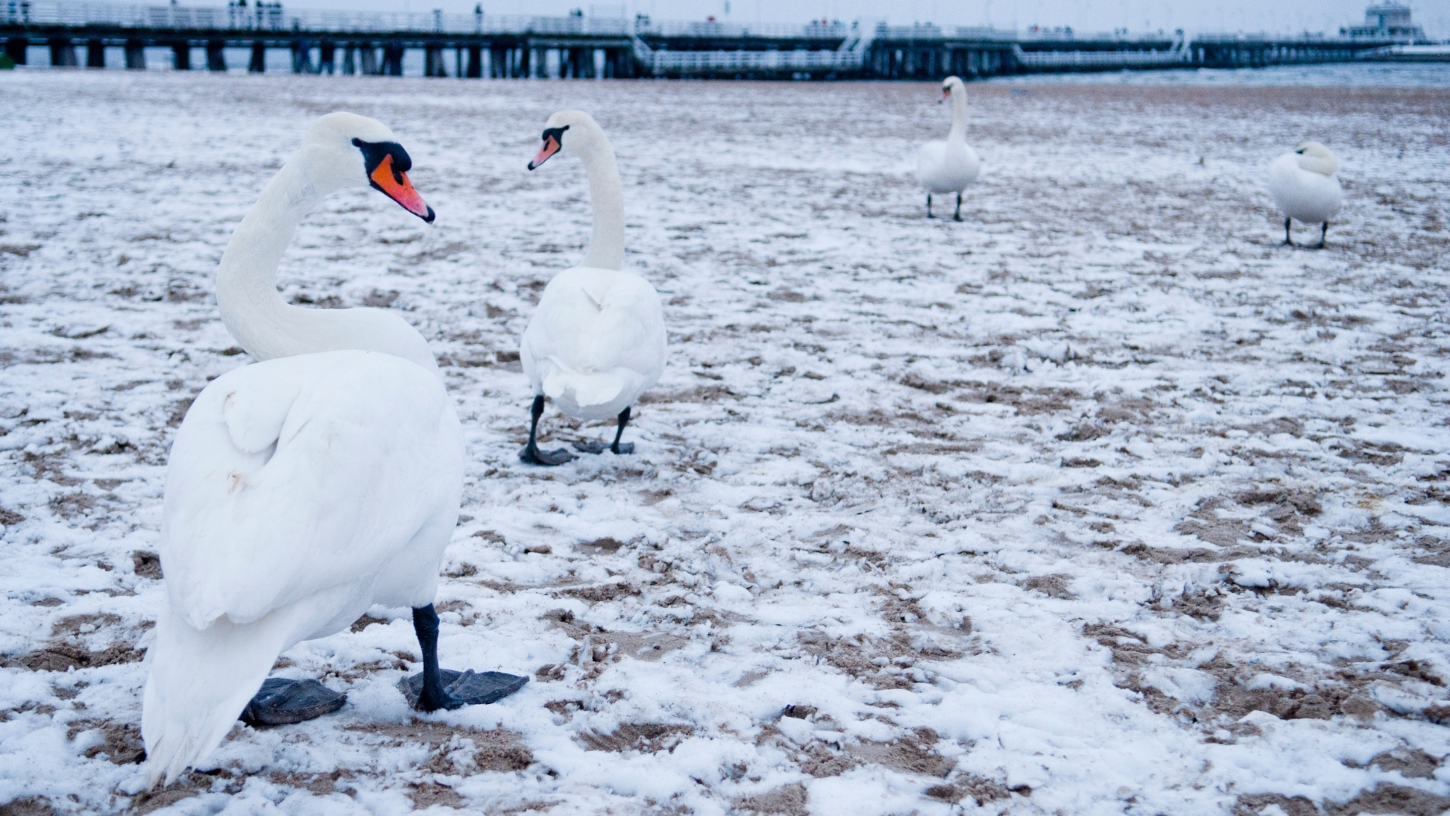
photo: Canva
Why is there no need to feed gulls, regardless of the season?
When feeding water birds, it is worth recognising a difference that is not obvious to everyone. Swans and ducks may need our support, whereas feeding gulls is entirely unnecessary.
Where does this difference come from? Swans have a very limited winter diet. They mainly feed on aquatic plants, soft grasses, young shoots and small food from shallow water.
In winter, vegetation in water bodies dies back and shallow water freezes, making food difficult or impossible to find, especially for young or weakened birds. Swans also have heavy bodies, so taking flight requires considerable energy. They are less mobile than gulls and have a shorter flight range when searching for food.
Gulls easily find food even in difficult conditions and are among the best-adapted birds in this respect. They eat fish, molluscs, carrion and fish scraps. They can travel quickly over long distances, for example following shoals of fish. They forage at sea, which does not freeze completely even in winter, so their access to food changes little throughout the year.
Feeding gulls is actually inadvisable because it attracts large flocks and leads to aggressive behaviour. It weakens their natural feeding instincts, increases conflicts with other birds and encourages disease to spread in large gatherings. That is why, among others, activists from WWF Polska argue that gulls manage perfectly well on their own.
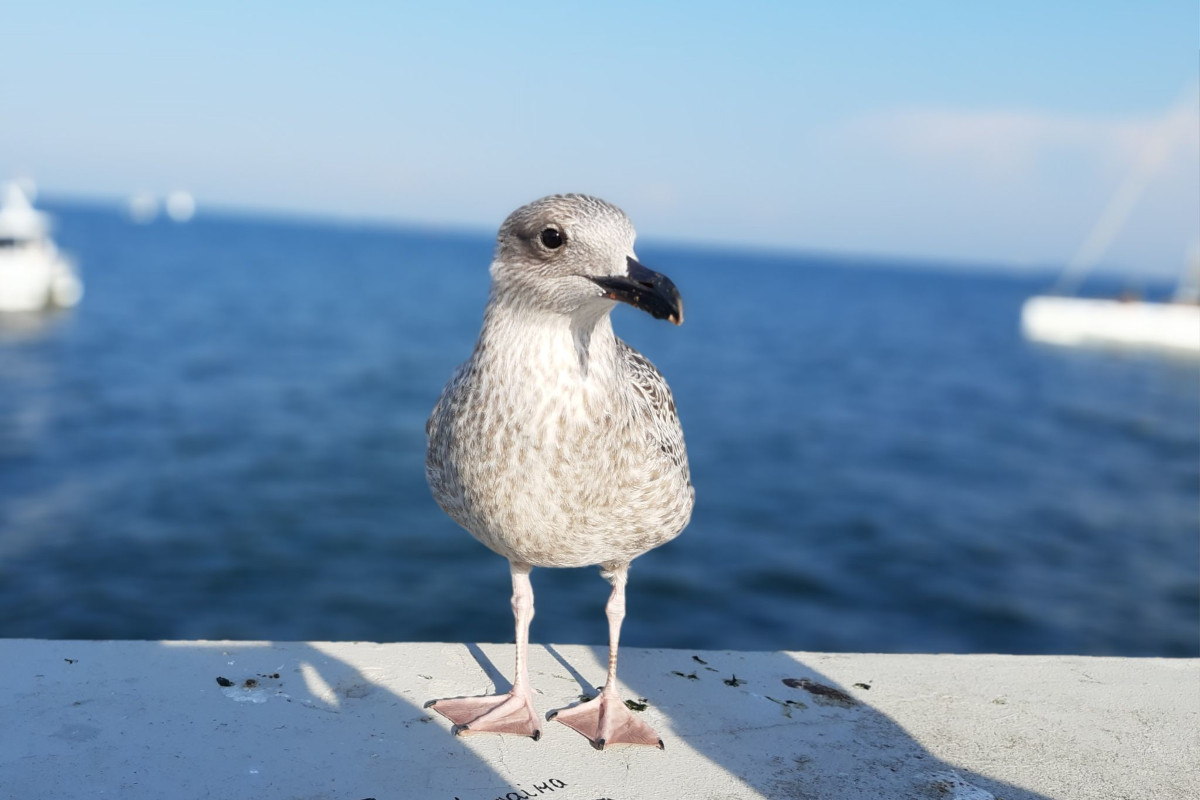
photo: A. Bellwon
Unwanted guests and rubbish
Easily accessible food attracts more than just birds. Wild boar, foxes and gulls quickly learn that people mean food. They start searching bins, approaching buildings and losing their natural caution. This is dangerous for both people and animals.
To protect nature, we should secure rubbish bins so animals cannot access them. At campsites and in places where bears may appear, food supplies must be stored in lockable metal boxes. This is not necessary on the Polish coast. However, other animals live here on the boundary between nature and civilisation. You may encounter a fox or a group of wild boar. They are usually not dangerous to us, but we should not encourage them to enter the city in search of food and risk, for example, being hit by a car. Therefore, do not put food scraps or food-stained packaging in outdoor bins that are not even closed with a simple lid.
Birds and other animals may try to eat food scraps from packaging, littering the area and consuming food that harms them. The packaging itself can also be dangerous, becoming stuck on an animal’s head or in its throat. The same applies to bottle caps and fragments. Some people are frustrated that plastic bottles do not allow the cap to be fully removed, but this inconvenience is worth accepting because plastic caps make up a large proportion of rubbish in seas and oceans. Animals, including seabirds, often eat them, mistaking plastic particles for food and even feeding them to their chicks. Swallowed plastic can block the digestive tract, cause malnutrition and even kill the animal.

A group of wild boar crossing the road. Near Jelitkowski Park, less than 2 km from Radisson Blu Hotel, Sopot. photo: M. Bellwon
Feeding animals as entertainment
Children enjoy feeding animals, and it is an attraction for them. To ensure it is not entertainment at the animals’ expense, we must act responsibly: feed only suitable food at the right time. The Gdańsk Zoo provides appropriate conditions. It has a Petting Zoo with animals accustomed to people, such as goats and donkeys. You can buy specially prepared food for them in portions controlled by their keepers. Children can feed and pet the animals safely, benefiting both sides. (check the Petting Zoo opening hours).
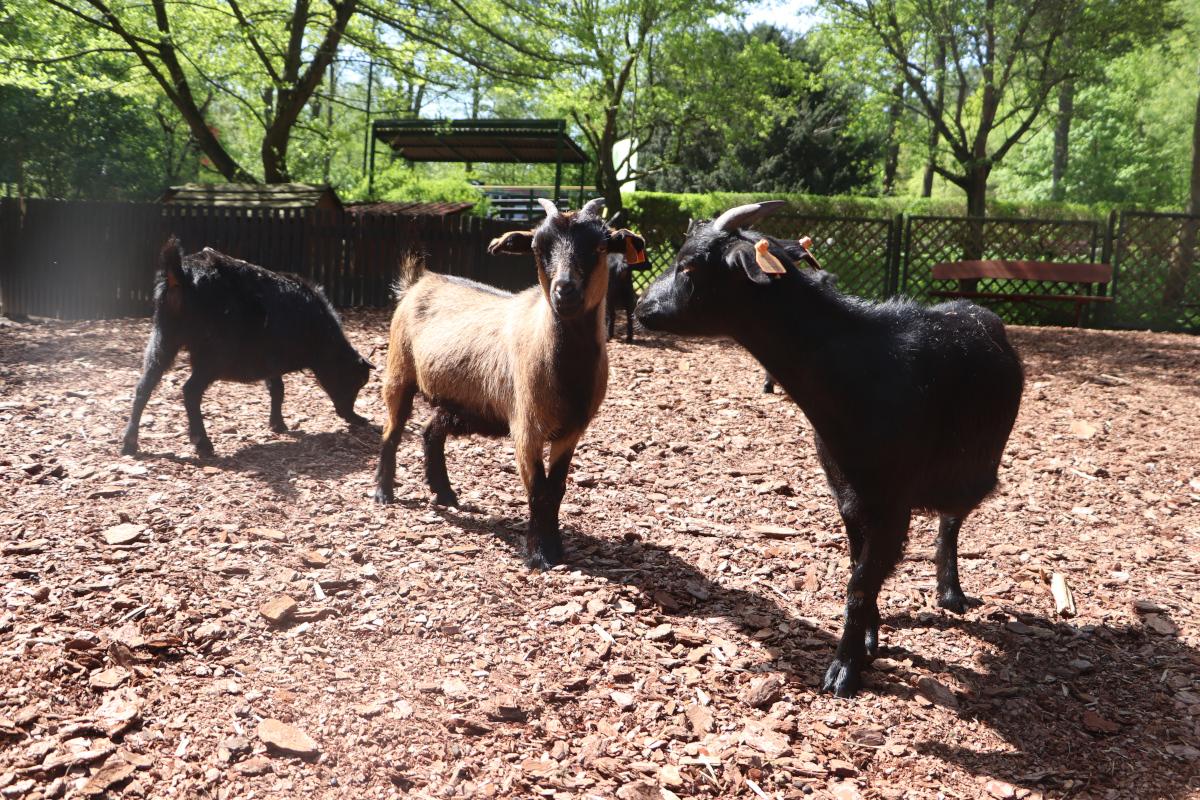
Residents of the Petting Zoo at Gdańsk Zoo. photo: ZOO Gdańsk
Rule: observe respectfully — do not feed or touch
Wild animals such as seals, foxes and hedgehogs are not pets. Approaching them, trying to pet them or taking close-up photos causes stress and may lead to injury. A seal resting on the beach does not need rescuing, but peace and quiet.
During walks—from Sopot Pier to the Gdańsk border—it is best to stop, keep your distance and simply observe. This is safe, ethical and truly enough to experience nature.
Let nature stay natural
Birds are not the only animals that need our consideration. Small animals and insects, which help shape the coastal ecosystem, are just as important.
Hedgehogs and leaves—a small refuge among
Hedgehogs need piles of leaves and branches, not perfectly mown lawns. In autumn, leave some leaves in your garden, allotment or urban spaces—a natural winter shelter.
At Radisson Blu Sopot, we care for greenery with respect for microfauna. Some areas around the hotel are deliberately left “wild” to support biodiversity.
Wildflower meadows instead of short lawns
Urban wildflower meadows provide shelter and food for bees, butterflies and other pollinators. Less mowing supports species diversity and improves conditions for beneficial insects. Such initiatives are increasingly common in Poland, including the Tri-City: some green spaces between carriageways are left unmown, with only narrow strips nearest the road cut. This is real help for insects, as well as an attractive, natural space for residents and guests.
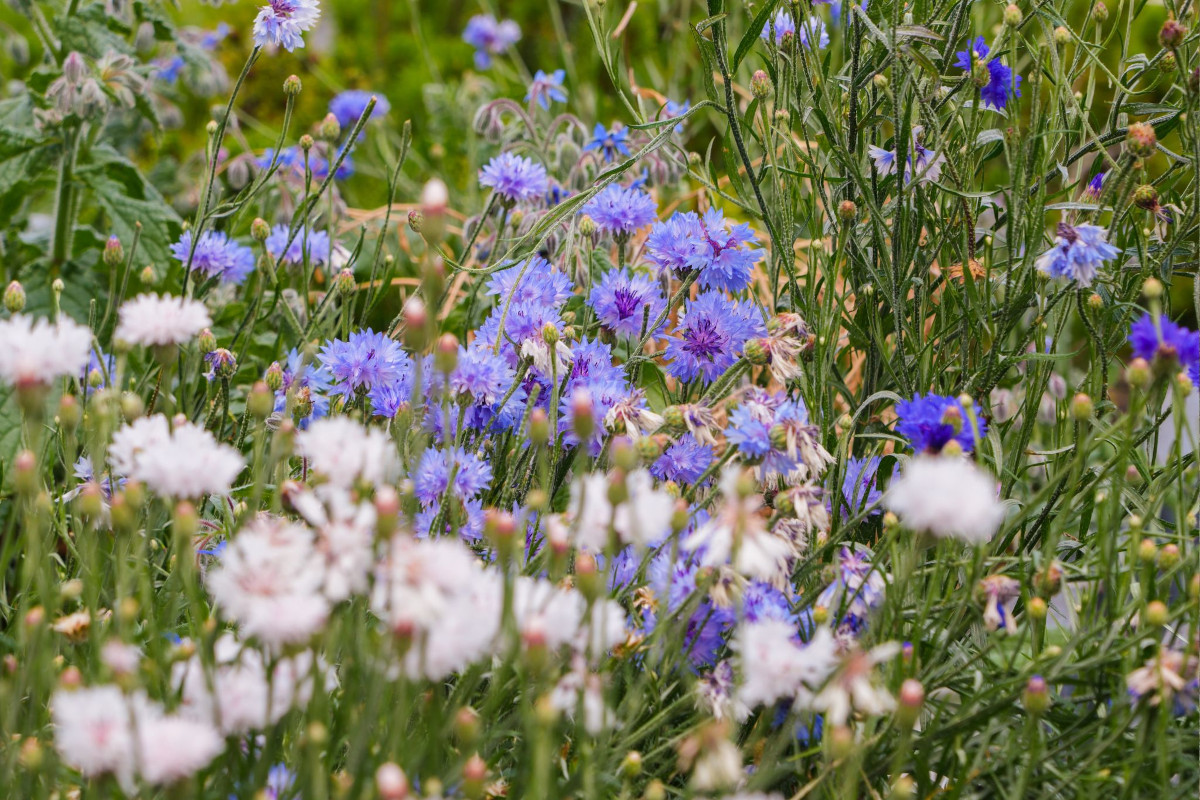
Wildflower meadow. Radisson Blu Hotel gardens, Sopot. photo A. Maciejewska
Why bees often thrive better in cities
In rural areas, short-flowering monocultures dominate and do not provide a steady, varied food supply. In cities, especially coastal ones, bees can access diverse sources of pollen and nectar: balcony plants, park flowerbeds, hotel gardens and wildflower meadows. At Radisson Blu Sopot, we choose pollinator-friendly plants and mow less intensively to give insects peaceful feeding conditions.
“Free access to food”—what does it mean?
Every species finds what it needs in nature:
- gulls: fish and small crustaceans,
- ducks: aquatic plants and insects,
- swans: aquatic plants, algae and small invertebrates,
- wild boar: roots, fruit and insects,
- hedgehogs: snails, larvae and
- bees: pollen and nectar.
Feeding “artificial” food disrupts this cycle. Animals stop seeking natural food sources, lose their instincts and become dependent on people. That is why we do not feed wild animals, even when we feel we are helping.
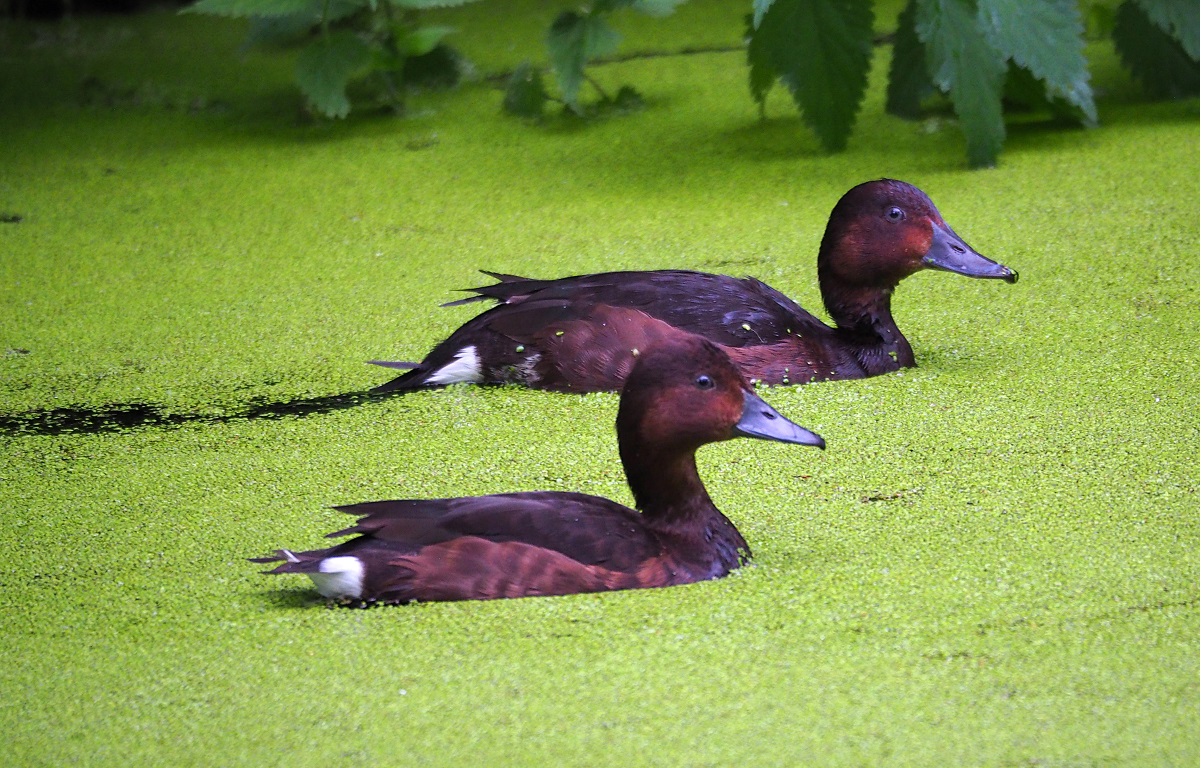
Common pochards, strictly protected in Poland. photo Gdańsk Zoo
Small gestures, big impact
Each of us can genuinely support nature, both while relaxing by the sea and every day:
- do not feed birds or wild animals bread,
- keep your distance and do not approach wild animals,
- choose bee-friendly plants for gardens, balconies and window boxes, and support wildflower meadows,
- leave some leaves and twigs in your garden or neighbourhood as a winter refuge for hedgehogs,
- use less plastic, sort waste and use reusable bottles,
- do not throw food scraps or food packaging into open, unsecured outdoor bins
- set a good example for others.
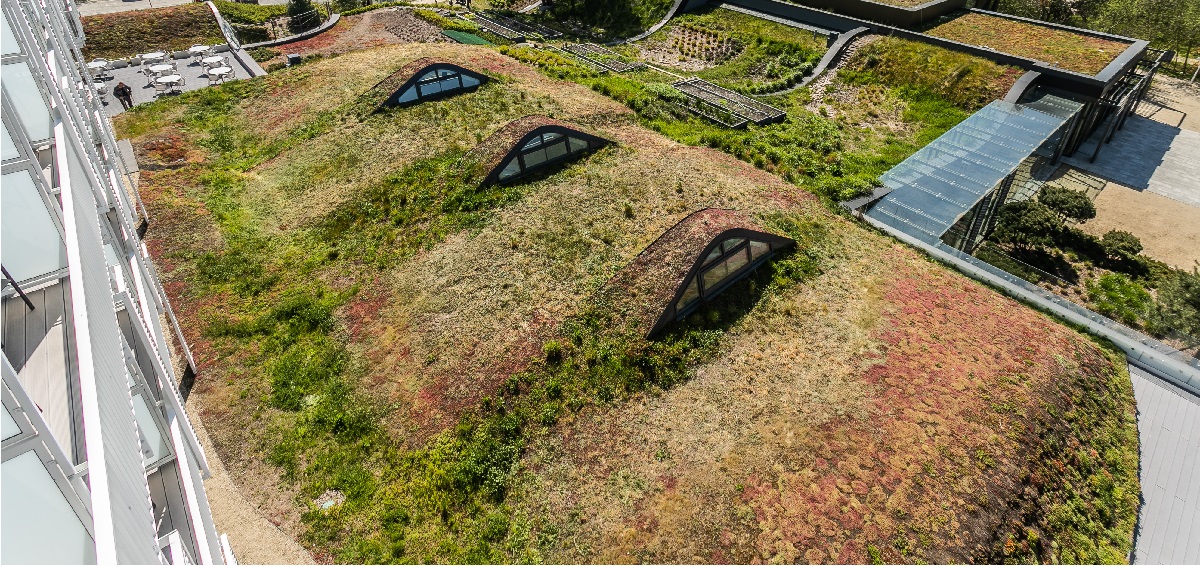
Green roofs of the Radisson Blu Hotel conference centre, Sopot. photo A. Maciejewska
Radisson Blu Sopot—close to nature, with care
Our hotel is about 250 metres from the beach, surrounded by greenery and recreational areas. We promote sustainable tourism: we manage greenery responsibly, support natural vegetation and educate guests on enjoying the Baltic Sea with respect for the environment. The plant-covered roofs of Radisson Meetings, the largest hotel conference centre in the Tri-City, also reflect our care for ecology and the natural environment.
Discover the hotel's philosophy and offer—read more on our blog.
The best gesture for nature is often the one we do not make. Not feeding birds bread, keeping our distance from wild animals and using nature-friendly gardening practices really make a difference. At Radisson Blu Sopot, we combine comfortable stays with care for the local ecosystem, because luxury and responsibility can go hand in hand.